

February 6, 2026
You must improve resident safety, meet new compliance requirements such as Awaab’s Law, evidence safeguarding practices, and support digital inclusion, all while managing stretched staff teams and limited budgets.
New connected in-home technology is now making that balance far easier to achieve.
A single, discreet system can quietly support environmental monitoring, safeguarding, and secure connectivity without being intrusive for residents or adding operational pressure for staff.
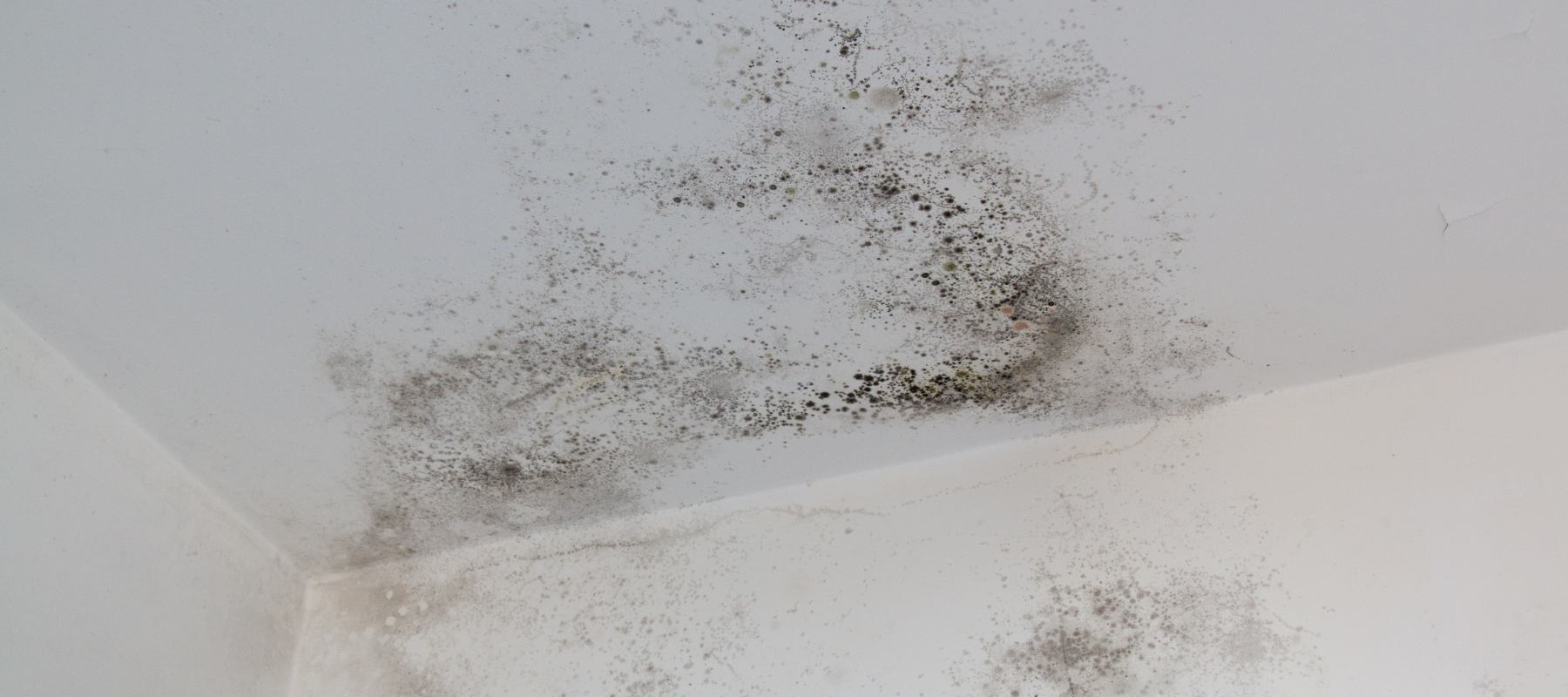
Awaab’s Law has rightly brought national attention to the dangers of damp and mould in housing. Providers are now expected to demonstrate proactive monitoring and timely intervention where environmental risks arise.
This system continuously monitors:
By identifying the early environmental conditions that lead to damp and mould, housing teams gain real evidence, not assumptions. Alerts are triggered when thresholds are reached, therefore, allowing maintenance or housing teams to intervene before issues escalate.
This moves providers from reactive complaints to proactive prevention, a key requirement of Awaab’s Law compliance.
Safeguarding in supported housing is essential, but traditional monitoring methods can be intrusive, labour-intensive, or dependent on residents raising concerns themselves.
AI acoustic monitoring changes this. The system listens only for risk-related sound patterns such as:
And, importantly:
This is true background AI. Staff are only alerted when a genuine risk threshold is met.
It enhances safeguarding visibility without increasing staffing requirements or compromising resident privacy.
A major challenge in supported housing is reliance on resident broadband or inconsistent connectivity for additional technologies.
Each installation includes a built-in secure SIM, allowing the system to act as a connectivity hub within the property.
This enables providers to easily add:
All without relying on the resident to have internet access.
This solution is:
Therefore, it works across a range of supported housing models without requiring major infrastructure changes.
The goal is not to replace staff interaction, but to give teams better visibility of risk and reduce unnecessary reactive call-outs.
The result is:
For housing providers, commissioners and safeguarding leads, this approach offers a practical way to meet modern expectations around: