

February 16, 2026
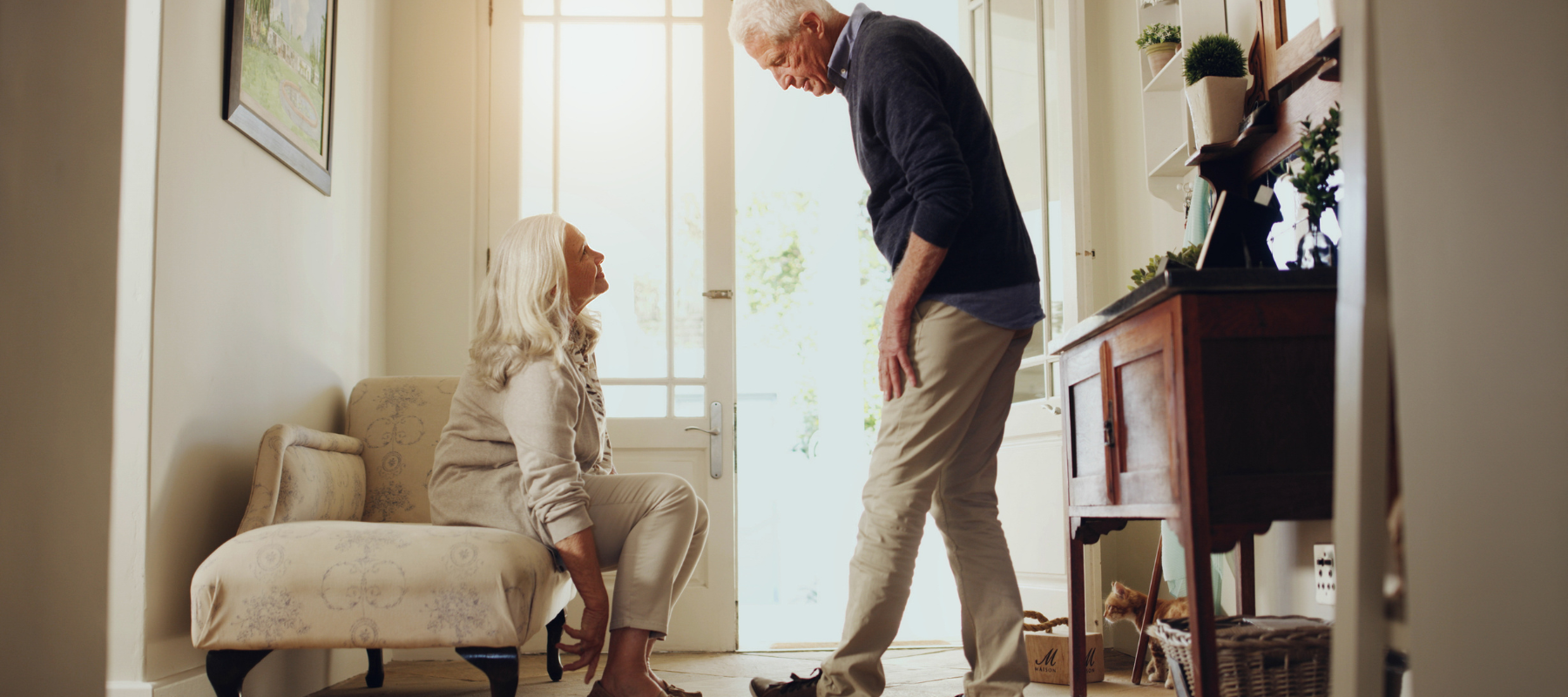
Resident safety monitoring in care homes is no longer a “nice to have”, it is essential to protecting residents’ health, dignity and independence. Falls remain one of the biggest risks in UK care homes and smarter monitoring can help teams move from reactive responses to truly proactive care.
Between 50% and 75% of care home residents experience at least one fall each year and older adults in care homes are around three times more likely to fall than those living independently. Falls are responsible for around 40% of all injury-related deaths in people over 65 and cost the NHS an estimated £2.3 billion annually. These figures highlight why resident safety monitoring in care homes must be a core part of everyday care, especially at night time and not an optional add-on.
Unwitnessed and unmonitored falls are a major concern in UK care homes, especially overnight when staffing levels are lower and residents are more vulnerable. Research suggests each care home resident may fall, on average, around three times per year, meaning a 60-bed home could see as many as 180 fall incidents annually. Many of these falls are unwitnessed, leading to delays in treatment, increased anxiety and higher risk of complications.
Older people in care homes are not only more likely to fall, they are also more likely to suffer serious harm when they do. Emergency admissions to hospital due to falls are almost four times higher among care home residents than older people living in their own homes. In this context, resident safety monitoring in care homes becomes a powerful way to shorten the time a person spends on the floor, support safer decision making and reduce avoidable hospital admissions.
Traditional falls management in care homes has often been reactive: staff respond after a fall, complete paperwork and review care plans. While essential, this approach alone does not prevent recurring incidents. Evidence from structured falls programmes in England, such as multi domain risk-reduction tools, shows that systematic approaches can reduce falls by over 40% when embedded effectively.
Digital resident safety monitoring builds on this by using continuous data to highlight subtle changes in mobility, activity and risk before an incident occurs. Technology-enabled remote monitoring projects in UK care settings have already shown that tailored thresholds and automated alerts allow clinicians to intervene earlier when something looks out of the ordinary. This shift towards proactive care helps teams focus on prevention rather than just post-fall response, supporting better outcomes and less disruption for residents.
Fall detection and activity monitoring sensors are at the heart of modern resident safety monitoring in care homes. These devices can be installed discreetly in residents’ rooms to track movement patterns, detect potential falls and feed live data into digital platforms used by the care team.
In a typical scenario, a staff member might notice that a resident – like “John in Room 127” – has been less active and slightly unsteady on his feet. By adding a fall detection and activity monitoring sensor to his room, staff can receive instant alerts if John appears to fall, while also building a picture of his day to day activity. This resident safety monitoring in the care home environment gives nurses and carers a clear view of trends, such as increased night time restlessness or reduced mobility, so they can adjust care plans, involve clinicians earlier and discuss changes with family.
Night time is a critical period for resident safety monitoring in care homes, as falls often occur when residents get up to use the bathroom or move around in the dark. Continuous manual checks can be intrusive, disturb sleep and still leave gaps where unwitnessed falls occur. Digital monitoring, including bed and room sensors, provides a way to maintain safety without excessive door opening and corridor walks.
By using fall detection, movement sensors and even door sensors linked into a central platform, night staff can see at a glance which residents are safely in bed, who is moving and where there may be a problem. This approach supports calm, respectful night time care while ensuring that no one is left on the floor for long periods after a fall, an issue highlighted in as both distressing for residents and risky for staff involved in repeated manual lifting.
Implementing resident safety monitoring in care homes delivers benefits beyond immediate fall alerts. Technology enabled monitoring show improvements in early intervention, more personalised care plans and greater confidence among staff in recognising deterioration.
Key Benefits Include:
For care home managers, this proactive model can support quality improvement, regulatory compliance and staff morale, while giving families reassurance that their loved ones are closely but respectfully monitored.