
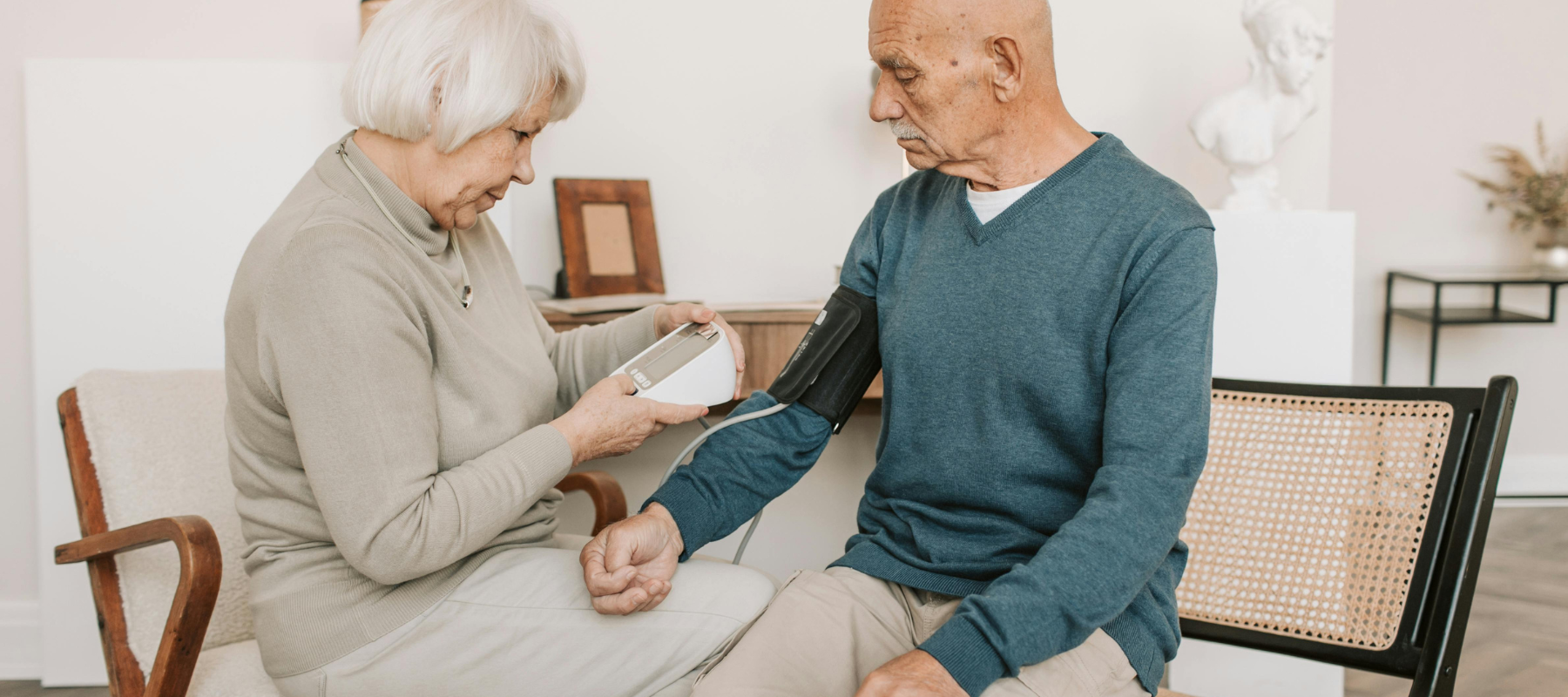
Across the UK, care homes are under growing pressure to keep residents safe while managing staffing challenges, rising acuity and increased regulatory expectations. Health and safety monitoring in care homes is often still reactive, with care teams responding after a fall, a sudden deterioration or an unplanned hospital admission has already happened.
A proactive, technology-enabled approach changes this. By combining contact-free health monitoring, activity tracking and connected devices, health and safety monitoring in care homes can reduce risk, improve outcomes and give families greater peace of mind.
The Challenges with Traditional Care Home Monitoring
Many care homes still rely on manual checks, paper notes and staff intuition to pick up early signs of deterioration. This creates several problems:
- Late detection of health changes: Subtle changes in breathing, heart rate, mobility or sleep patterns are easy to miss during busy shifts and infrequent observations.
- High falls risk: Without continuous activity tracking, care teams may only find out about a fall once it has already happened, often leading to injury, distress and hospital admission.
- Night-time disturbance: Frequent in-person checks can disturb residents’ sleep, impacting wellbeing, mood and behaviour the following day.
- Fragmented information: Vitals, incident logs and risk assessments are often stored in different systems or on paper, making it harder to see the full picture for each resident.
- Pressure on staff: Teams spend valuable time gathering information instead of focusing on meaningful, person-centred interactions with residents.
Health and safety monitoring in care homes needs to move from this reactive model to a proactive, data-driven approach that supports early intervention and safer care.
Solution 1: Contact-Free Health Monitoring for Early Warning
One of the most effective solutions within modern health and safety monitoring in care homes is contact-free health monitoring. Instead of relying on wearables or manual checks, discreet sensors are placed under the mattress or chair to continuously track:
- Heart rate and breathing patterns
- Sleep quality and restlessness
- Time in bed or in a chair
- Overall movement and micro-movements
This contact-free health monitoring is non-intrusive, comfortable and ideal for residents who may forget or refuse to wear devices. It provides a continuous baseline for each person, so even small changes in health can be identified early.
For care homes, this means:
- Earlier escalation of potential infections, cardiac or respiratory issues
- Fewer unplanned hospital admissions
- Better evidence to support clinical decision-making and GP or community nurse referrals
Solution 2: Activity Tracking and Fall Prevention
Falls remain one of the biggest risks in residential and nursing care. A strong health and safety monitoring strategy for care homes must therefore include intelligent activity tracking and falls prevention technology.
Motion sensors, bed-exit alerts and advanced AI-powered monitoring can:
- Detect when a resident leaves their bed or chair
- Identify unusual movement patterns or wandering
- Flag slow or rapid descents that may indicate a fall
- Provide trend data on mobility and night-time activity
This level of activity tracking allows care teams to:
- Spot residents whose mobility is changing over days or weeks
- Put targeted falls prevention plans in place before a serious incident
- Deploy staff more efficiently at times of highest risk
When combined with contact-free health monitoring, falls technology becomes a powerful part of proactive health and safety monitoring in care homes, significantly reducing avoidable harm and supporting safer, more confident residents.
Solution 3: Connected Devices and Unified Dashboards
Another common challenge in care homes is fragmented information. Blood pressure readings, weight, hydration, incident reports and risk assessments are often spread across multiple systems. Health and safety monitoring in care homes becomes much more effective when these data points are connected.
By integrating connected devices and sensors into a single platform, Porters Care helps care homes:
- View health, safety and activity data in one simple dashboard
- See at a glance which residents are stable and who needs attention
- Receive clear, prioritised alerts instead of overwhelming alarm noise
- Generate reports that show trends over time and evidence improvement
This connected approach to health and safety monitoring in care homes supports better clinical judgement, smoother handovers and clearer communication with families, GPs and multidisciplinary teams.
How Porters Care Supports Proactive Health and Safety Monitoring
Porters Care specialises in bringing these solutions together into practical, easy to use systems designed specifically for care environments. Our approach to health and safety monitoring in care homes focuses on:
- Contact-free health monitoring: Continuous, non-intrusive tracking of vital signs and sleep, giving teams early warning of potential issues.
- Activity and falls monitoring: Smart sensors and AI analysis to predict and prevent falls, not just respond to them.
- Connected devices: Integration of health peripherals, safety sensors and monitoring devices into one platform.
- Clear dashboards and alerts: Simple, role-friendly views that highlight who needs help and why, so staff can act quickly and confidently.
- Evidence and reporting: Data that supports regulatory compliance, quality improvement and transparent communication with families.
Our health and safety monitoring solutions are designed to fit into existing workflows, not complicate them. Training and support help teams feel confident in using the technology, so it delivers real benefits on the floor, not just on paper.
Benefits for Residents, Families and Care Providers
When health and safety monitoring in care homes is proactive and technology-enabled, everyone benefits:
- For residents: Earlier intervention, fewer falls, less disturbed sleep and more personalised care based on their individual patterns and preferences.
- For families: Greater peace of mind knowing that discreet health monitoring and activity tracking are in place 24/7, supporting their loved one even when staff are not in the room.
- For staff: Less time spent on repetitive observations and paperwork, more time for meaningful, person-centred interaction and emotional support.
- For providers: Stronger evidence for regulators, more efficient use of staffing, better occupancy and a clear point of differentiation in a competitive market.
By making health and safety monitoring in care homes central to your strategy, you position your service as proactive, data-informed and genuinely focused on quality and safety.
Take the Next Step with Porters Care
If you are reviewing your health and safety monitoring in care homes, now is the time to explore proactive, technology-led solutions. Whether you manage a single home or a group, Porters Care can help you design and implement a monitoring strategy that fits your residents, your staff and your budget.
To find out how contact-free health monitoring, activity tracking and connected devices could work in your home, get in touch with Porters Care today to arrange a free, no-obligation consultation or demonstration.
Our team will show you exactly how proactive health and safety monitoring in care homes can reduce risk, support your staff and give families the reassurance they are looking for.